Leather & footwear machines, step by step
The machines are in the order they work in the process. Ask us about any of them: we check feasibility and the import rules before we quote.
The machines are in the order they work in the process. Ask us about any of them: we check feasibility and the import rules before we quote.
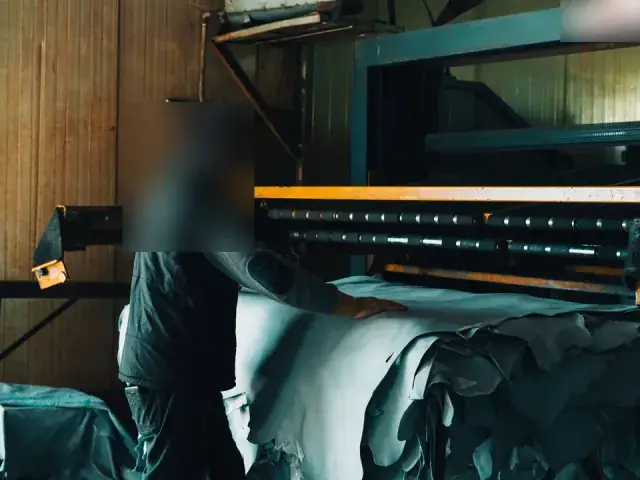
Hides are soaked clean, the hair is removed, and the flesh side is scraped off.
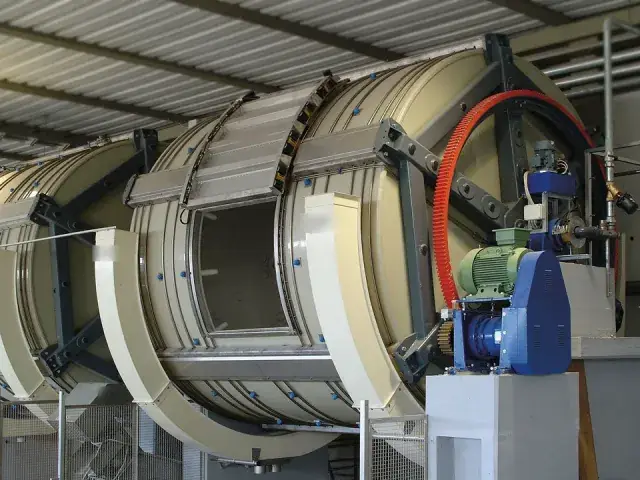
A large wooden or steel drum that turns hides in water and chemicals to clean, soak and lime them, loosening hair and flesh.
Availability subject to feasibility check
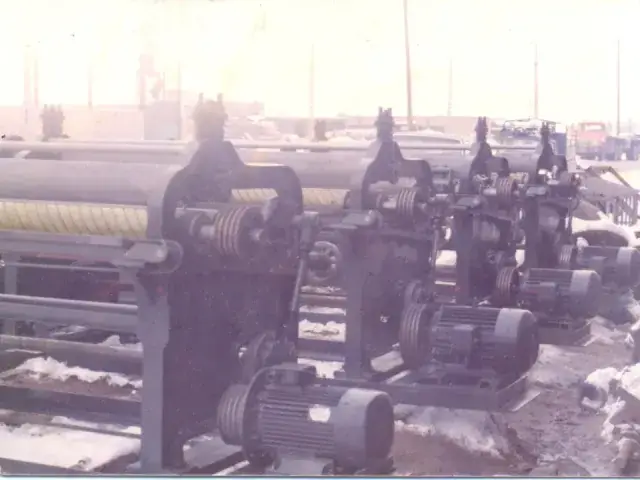
Request this machineBladed rollers that scrape the leftover flesh and fat off the inner side of each hide.
Availability subject to feasibility check
Request this machineTanning turns the hide into leather that will not rot, and the leather is split to an even thickness.
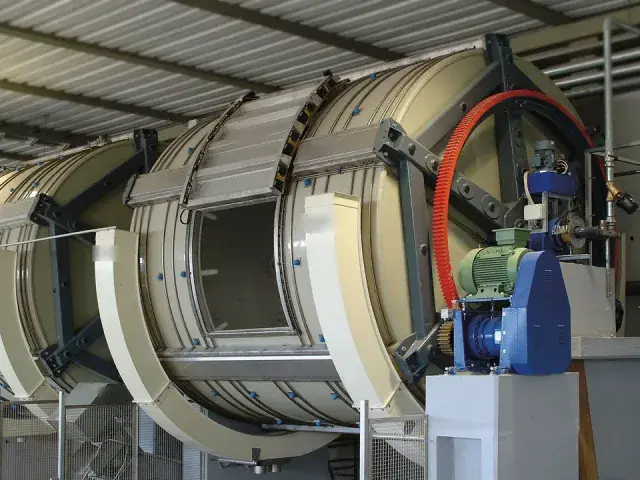
A turning drum where hides take up tanning agents, which turn them into leather that does not rot.
Availability subject to feasibility check
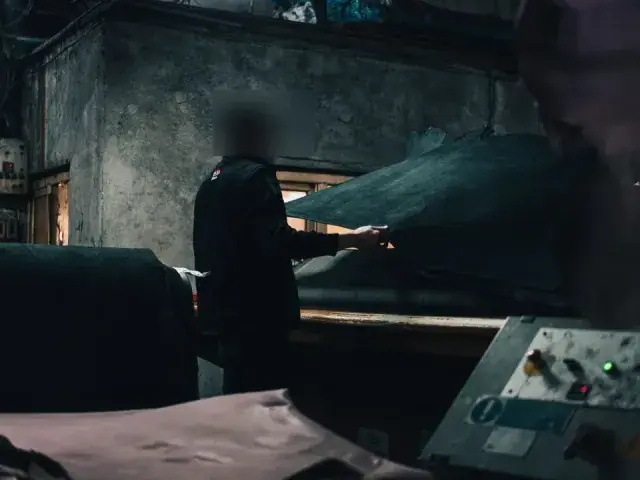
Request this machineA long band knife that slices a thick hide into layers of even thickness: the grain side and the split below it.
Availability subject to feasibility check
Request this machineLeather is shaved, dried flat, coloured and pressed to the look and feel the buyer wants.
A bladed cylinder that shaves the flesh side of tanned leather to an exact, even thickness.
Availability subject to feasibility check
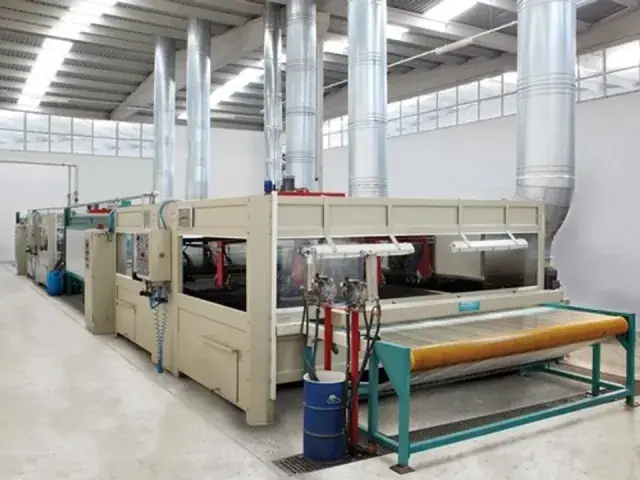
Request this machineCarries leather on a conveyor under spray guns that apply colour and finish coats, then through a drying tunnel.
Availability subject to feasibility check
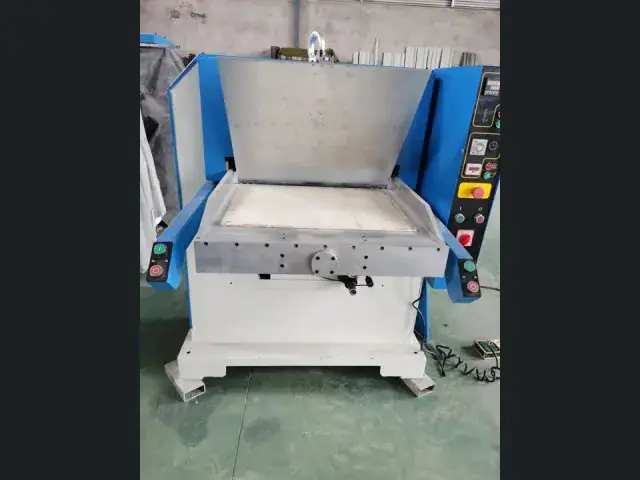
Request this machineA heated press that smooths the leather surface with a polished plate, or presses a grain pattern into it.
Availability subject to feasibility check
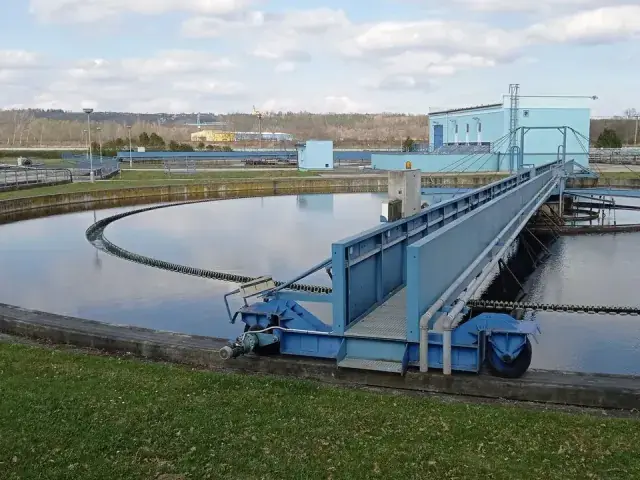
Request this machineTannery waste water carries chemicals and must be treated before it is released.
Settles, treats and cleans the tannery's waste water, taking out chrome and other chemicals before it is let out.
Availability subject to feasibility check
Request this machineShoe parts are cut from the leather with steel dies, placed to waste as little leather as possible.
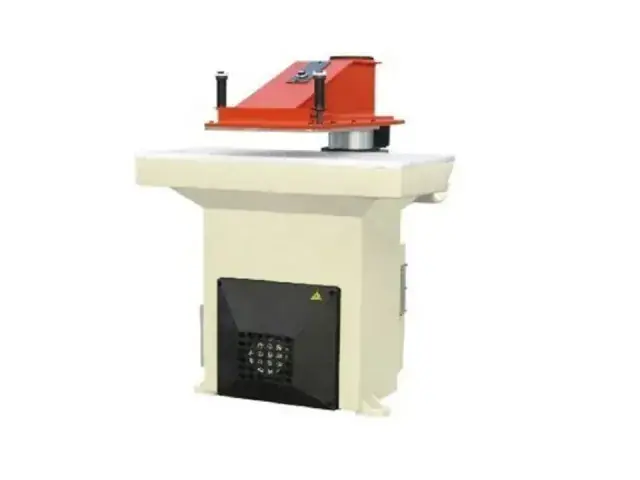
Presses a steel cutting die through leather laid on a cutting board, cutting out shoe parts in one stroke.
Availability subject to feasibility check
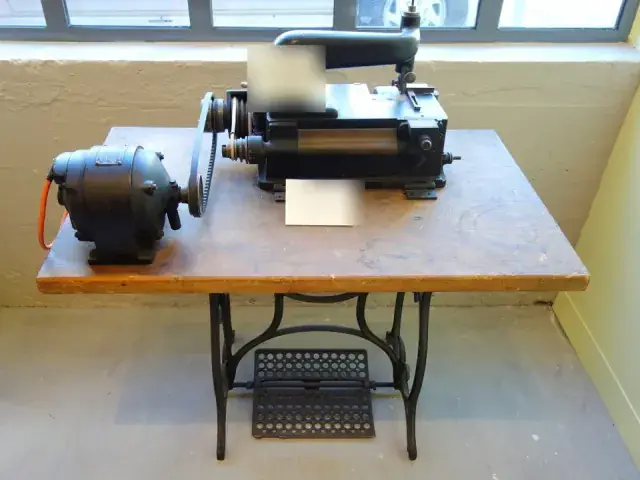
Request this machineThins the edges of cut leather parts, so seams and folds lie flat and neat.
Availability subject to feasibility check
Request this machineThe cut parts are stitched together into the upper, the part of the shoe above the sole.
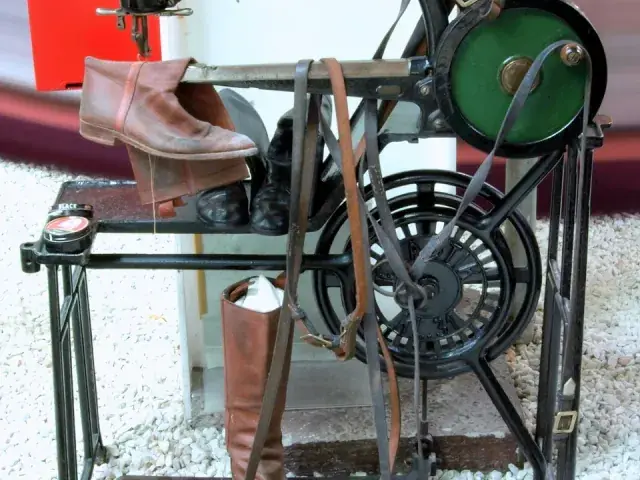
A sewing machine with a raised post under the needle, so three-dimensional shoe uppers can be stitched easily.
Availability subject to feasibility check
Request this machineThe upper is pulled tight over a foot-shaped last, and the sole is pressed and bonded in place.
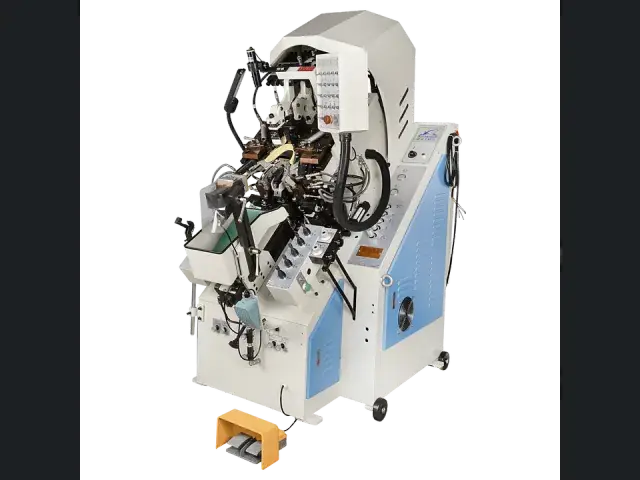
Pulls the shoe upper tight over the last, the foot-shaped mould, and fixes it underneath so the shoe takes its shape.
Availability subject to feasibility check
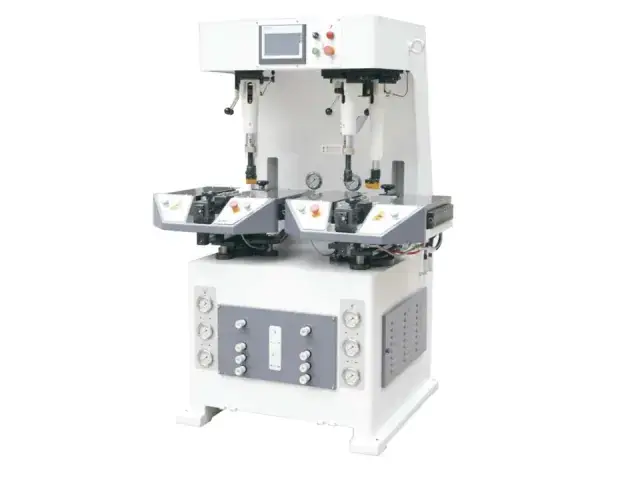
Request this machinePresses the sole onto the lasted upper with an even pressure until the adhesive bonds.
Availability subject to feasibility check
Request this machine